Vape Culture: Exploring the Rise of Vaping in Today's Society
Vape culture has emerged as a prominent phenomenon within younger generations, fueled by the pursuit of healthier choices and a wide range of flavor varieties. Social media accelerates this movement, portraying vaping as a mainstream and accepted lifestyle. However, the health implications remain contentious, prompting serious questions regarding its safety. As vape retailers develop into neighborhood meeting points, the characteristics of this movement remain in constant flux. Where is this rapidly developing culture headed?
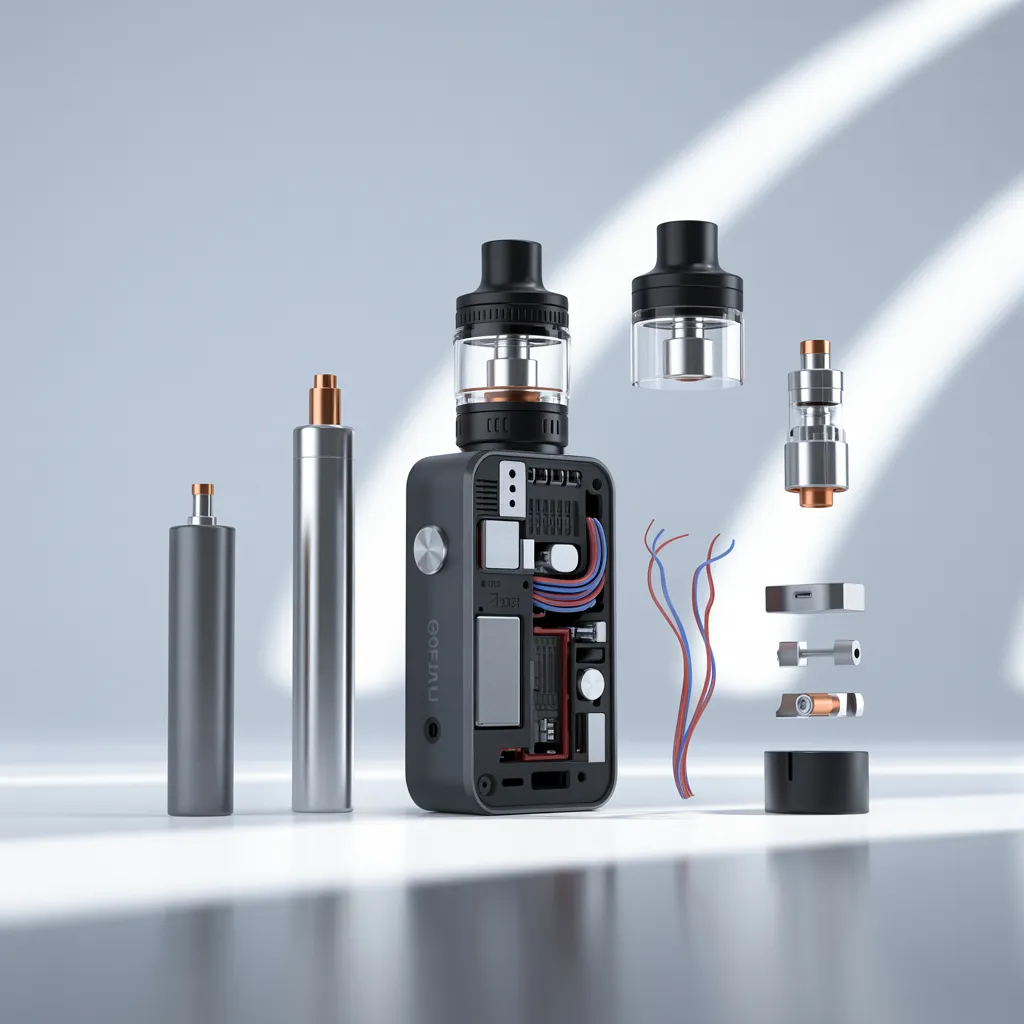
Why Are So Many People Making the Switch to Vaping?
As awareness of the health risks associated with traditional smoking grows, numerous people are choosing vaping as what they consider a healthier option. This shift is driven by a combination of factors, including the appeal of flavors and customizable options that vaping devices provide. Many users appreciate the varied flavors, which range from fruity to dessert-inspired, making the experience more enjoyable compared to conventional tobacco. Additionally, vaping is often viewed as a more socially acceptable practice, particularly among younger demographics. The innovation within vaping devices additionally enables a degree of management over nicotine consumption, attracting individuals seeking to lower their intake steadily. Beyond that, the notion that vaping is less bothersome and leaves behind fewer persistent odors compared to smoking plays a role in its increasing prominence. As a result, a diverse range of individuals, from former smokers to those new to nicotine, are increasingly making the switch to vaping.
Is Vaping Truly Safe? The Health Discussion?
How does vaping measure up against conventional smoking in terms of safety? This topic has generated significant discussion among medical experts and everyday people. Even though vaping is commonly presented as a less harmful substitute for smoking, the actual situation is considerably more complicated. Electronic cigarettes generally have fewer harmful compounds than conventional cigarettes, which may potentially lower certain health hazards. However, vaping still introduces harmful chemicals into the body, including nicotine, which can lead to addiction and potential cardiovascular issues.
Emerging research has raised concerns about the lasting impacts of inhaling vaporized substances, particularly since a large number of e-liquid ingredients lack sufficient research. In addition, cases of vaping-related lung injuries have come to light, deepening the uncertainty about its overall safety. In the end, while vaping could pose less danger than cigarette smoking, it is not without its dangers, demanding thoughtful evaluation from both users and policymakers.
Who's Participating in the Vaping Trend?
Who finds appeal in the vaping phenomenon? A broad spectrum of individuals is drawn to vaping, spanning various age groups and backgrounds. People in their youth, notably those ranging from their late teens to early twenties, frequently look for substitutes to conventional cigarettes, considering vaping a contemporary lifestyle decision. Numerous individuals are driven by the idea that vaping is a safer alternative and delivers a tailored experience through an array of flavors and nicotine options.
Additionally, previous smokers moving toward vaping represent a significant demographic. It is frequently regarded as a way to cut back on nicotine while maintaining the pleasure of inhaling. Curiosity also drives some individuals, as the social elements of vaping entice those who wish to connect with like-minded individuals or try new things. The trend's accessibility, combined with its perceived novelty, continues to draw a broad spectrum of participants into the world of vaping.
How Social Media Has Shaped Vape Culture
How does social media influence vape culture? Social media channels have emerged as key drivers in popularizing and normalizing vaping across diverse audiences. Through visually engaging content, influencers showcase vaping as a lifestyle choice, often emphasizing its aesthetic appeal and social aspects. Dedicated hashtags and vaping challenges build a community atmosphere, inspiring users to share their encounters and product preferences. Furthermore, platforms such as Instagram and TikTok enable users to create and distribute tutorials, vaping tricks, and product evaluations, boosting the exposure of vaping products and brands.
This continuous exchange cultivates an environment where vaping is not just a routine but an outlet for personal identity. The viral nature of social media amplifies trends, leading to rapid shifts in consumer preferences. Consequently, social media serves as a double-edged sword, both increasing visibility of vaping and perhaps embellishing the activity, particularly among younger audiences.
How Vaping Affects Your Lifestyle Choices
Vaping has emerged as a major influence on modern lifestyle decisions, affecting everything from everyday social encounters to individual identity. For a great number of people, vaping acts as a social catalyst, enabling connections across both relaxed and professional environments. The practice of vaping frequently generates a collective experience for participants, strengthening community ties and setting standards for social events.
In addition, vaping has transformed personal identity for many users, distinguishing them from traditional smokers or non-smokers. The variety of flavors, devices, and brands permits users to showcase their personal preferences, fostering a sense of uniqueness.
In addition, health-related views surrounding vaping have inspired lifestyle shifts; certain users view it as a more health-conscious alternative to smoking, while certain individuals weave it into wellness and lifestyle discussions. When all is considered, vaping impacts decisions surrounding social engagement, identity expression, and wellness, demonstrating its deep influence over modern lifestyles.
Vape Stores: Gathering Places for Enthusiasts
Within the ever-changing world of vaping culture, vape shops are now recognized as important social centers for dedicated vapers. These establishments serve as communal spaces where people can connect over their shared interest in vaping. Rather than just offering products for sale, vape shops often host special events, such as tastings and workshops, cultivating a sense of community among their customers.
The knowledgeable staff frequently provide valuable insights into the newest devices and e-liquid options, improving the overall vaping journey. This tailored service fosters trust and loyalty among the community. Additionally, vape shops often create welcoming environments, promoting meaningful connections between customers, which may develop into lasting friendships and support systems.
With vaping steadily increasing read here in popularity, these shops play an important role in forming a culture built on exploration and education. By prioritizing community engagement, vape shops not only enhance personal experiences but also help establish a vibrant, interconnected vaping culture.
Future Trends in Vape Culture
How might vape culture develop as technological advancements and societal views continue to shift? With the progression of vaping technology, developments like smart devices and personalized options are expected to appeal to a broader demographic. Upgraded user interfaces and app connectivity may support individualized experiences, empowering users to track their consumption habits and preferred flavors. Additionally, the growing emphasis on health and wellness could reshape perceptions, leading to more acceptance of vaping as a less harmful alternative to smoking.
Legislative shifts will further shape the landscape as authorities introduce tighter controls, brands may concentrate on clarity and product integrity, cultivating a more conscientious sector. Societal views are likely to change further, with vaping gaining wider acceptance in popular culture, comparable to the craft beverage or specialty drink movement. At its core, the path forward for vape culture will be defined by a combination of technological advancement, legislative guidance, and shifting societal views, forging a unique presence in modern culture.
Frequently Asked Questions
Which Flavors Are Most Favored by Vapers Today?
Fruit-based flavors, notably berry, mango, and watermelon, lead the vaping market at present. Dessert flavors, including vanilla custard and rich chocolate, also enjoy popularity, drawing in those who desire rich and satisfying vaping experiences.
How Much Do You Usually Spend on Vaping Each Month?
The monthly cost of vaping generally fall from $30 to $100, depending on usage, device type, and e-liquid choices. Frequent vapers may find expenses vary considerably based on personal preferences and consumption patterns.
Are There Age Restrictions for Purchasing Vape Products?
Indeed, there are age restrictions for buying vape products. In numerous jurisdictions, individuals must be at least 18 or 21 years of age, according to local legislation, to legally buy vaping devices and related products.
Does Vaping Help Smokers Quit Cigarettes Entirely?
Vaping can help certain people stop smoking altogether by serving as a less damaging option. However, its effectiveness varies among users, and dependence on vaping may result in ongoing nicotine addiction for some.
What Are the Most Common Misconceptions About Vaping?
Frequent misconceptions surrounding vaping involve the assumptions that it poses no health risks, that it is free of dangerous chemicals, and that it exclusively leads to cigarette smoking. These misunderstandings can influence perceptions and behaviors surrounding vaping.